- 01844 318125 / 07866 426569 info@full-blast.co.uk

Blast Cleaning Technologies

Sandblasting Large Items
September 10, 2024
Shot Blasting Service Near Me
September 24, 2024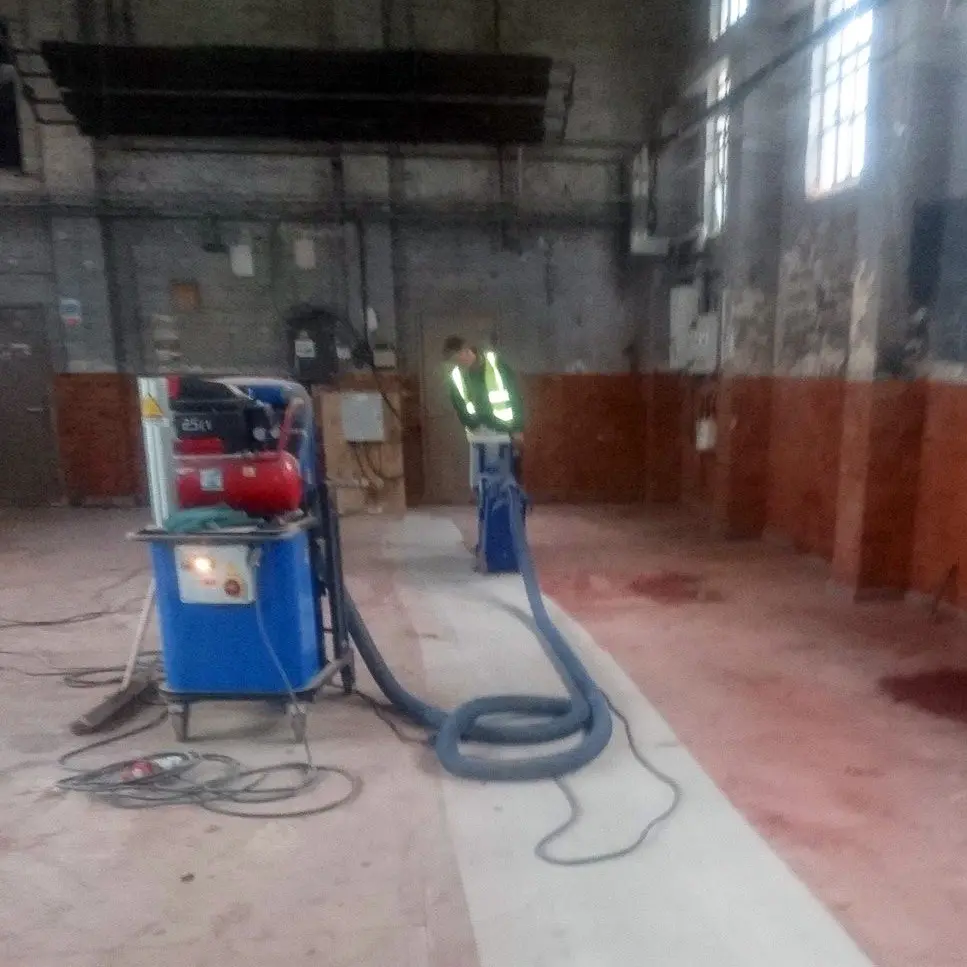
Blast cleaning has long been an essential technique for removing contaminants, rust, and old coatings from surfaces in a wide range of industries. Over time, blast cleaning technologies have evolved significantly, driven by advancements in equipment, materials, and safety standards. These innovations have transformed the way surfaces are prepared, allowing for greater efficiency, precision, and environmental responsibility. As industries grow more demanding in terms of the quality and speed of surface preparation, the technology behind blast cleaning continues to develop in order to meet these expectations.One of the most notable advancements in blast cleaning technologies is the variety of media now available for the process. Traditional sandblasting, which used sand as the primary abrasive, has given way to more specialised abrasives suited to different surfaces and tasks. Glass beads, steel grit, aluminium oxide, and even organic materials like walnut shells are now used, each offering unique properties tailored to specific applications. This flexibility ensures that surfaces can be cleaned or prepared without causing damage or excessive wear, whether it’s delicate historical stonework or robust industrial machinery.Modern equipment used in blast cleaning has also seen significant technological improvements. Today’s blasting machines are more powerful, precise, and user-friendly than ever before. Variable pressure control allows for adjustments that match the material being treated, while advanced nozzle designs ensure uniform coverage. These improvements not only enhance the overall effectiveness of the cleaning process but also reduce the time required to complete even the most challenging jobs. Many modern systems are mobile and can be easily transported to a variety of worksites, ensuring that blast cleaning can be carried out wherever it is needed.Safety has become a major focus in the development of blast cleaning technologies. Earlier methods posed significant health risks, especially in environments where silica dust or other harmful particles were released during the blasting process. Today, stricter regulations and the introduction of dust-free blasting systems have dramatically improved working conditions for operators. These systems contain the dust and debris generated during blasting, preventing it from entering the air and ensuring a cleaner, safer work environment. Furthermore, protective equipment has become more advanced, allowing operators to work more safely and comfortably for longer periods.In recent years, eco-friendly alternatives have emerged as a major trend in the blast cleaning industry. Companies and clients alike are increasingly seeking methods that minimise environmental impact without compromising on results. Eco-blasting, which uses biodegradable or recycled materials, is gaining popularity as it reduces waste and lowers the carbon footprint of the process. These greener approaches to blast cleaning demonstrate that it is possible to achieve high-quality surface preparation while being mindful of environmental sustainability.Digital technology is another area making waves in the world of blast cleaning. Monitoring systems, sensors, and automation are now being integrated into blast cleaning equipment, allowing for real-time feedback and precise control over the process. Operators can monitor pressure, abrasive flow, and coverage with greater accuracy, ensuring that every surface is treated with the utmost care. This integration of digital tools also allows for better maintenance of the equipment itself, reducing downtime and improving overall efficiency.Blast cleaning technologies have come a long way from their early days of using basic abrasives and machinery. These advancements have opened up new possibilities for industries that rely on surface preparation, from automotive restoration to industrial infrastructure maintenance. As technology continues to progress, we can expect even more innovations in blast cleaning, enhancing the effectiveness of the process while maintaining safety and environmental standards. For companies like Full Blast, staying at the forefront of these technological advancements ensures that clients receive the best possible service, no matter the size or complexity of their project

